Search

Showing posts with label birds. Show all posts

Thursday, 22 April 2010

New Zealand's albatrosses under threat


ACAP is holding meetings to discuss new national seabird plans to help protect albatrosses.

New Zealand has become by far the most important area for albatrosses with 18 out of 21 species living and breeding there. However, after leaving the nest some species of this majestic bird spend years at sea. This means that it is not just New Zealand who should be responsible for protecting these birds.

The albatrosses tend to fly around the southern ocean, over South America or South Africa. They spend three to four months of each year off the coast of Chile and Peru but longline fisheries in these areas are what's causing such a dangerous threat to these birds.

Earlier this week, an ACAP (Agreement on the Conservation of Albatrosses and Petrels) meeting was held in Argentina and many organisations including the WWF attended. The aim was to co-ordinate agreement and include real commitments to reducing seabird deaths through fishing.

Rebecca Bird, WWF's leading marine campaigner, posted on the New Zealand WWF Facebook page "it was largely a successful meeting". She said that as long as Governments stay commited they will be on track.

She continues "a lot more needs to be done both at sea and on land to ensure the future of these amazing creatures".

Farmland birds in trouble


According to a new report, some of Britain's best loved farmland birds are continuing to vanish from our countryside.

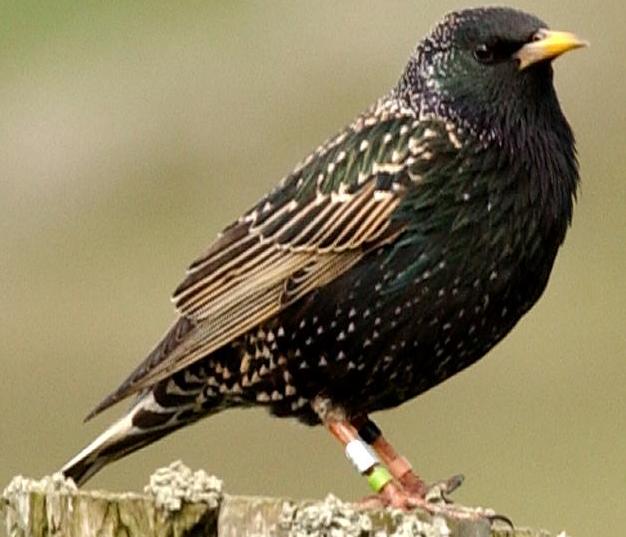
Figures indicate an 11 percent decline in bird populations across England since the mid 1990s with species such as the starling (pictured), corn bunting and turtle dove being the most affected.

Among these figures, released by the Department for Environment, Food and Rural Affairs, the South East has experienced the worst losses with a decline in farmland birds of almost a quarter in the last 15 years. There has also been a 17 percent decrease in the East Midlands and a 16 percent decrease in the West Midlands. The report shows a clear north-south divide as populations in the north remain stable.

Woodland birds have also suffered with numbers down 10 percent in the South East and South West, however, figures rose by 43 percent in the North West.

Bird charities have said that habitat loss in the main cause of this decline and especial blame intensive farming techniques for wiping out wildlife. Climate change is also believed to be a growing factor.

"This report emphasises the continuing north-south divide in farmland bird populations," said Richard Gregory, of the Royal Society for the Protection of Birds (RSPB). "This is largely a result of changing farming practices and land use patterns across England. With more fertile arable land in the south the effects of agricultural intensification have been felt more severely."

He continues "the impacts of global warming are being felt first in the south. Habitat loss and degradation are still the biggest issues facing wild birds but we cannot ignore the new climate threat."